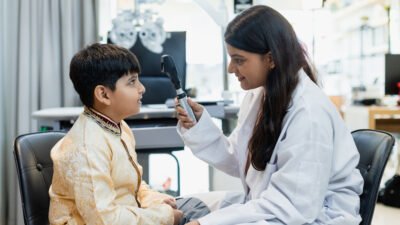

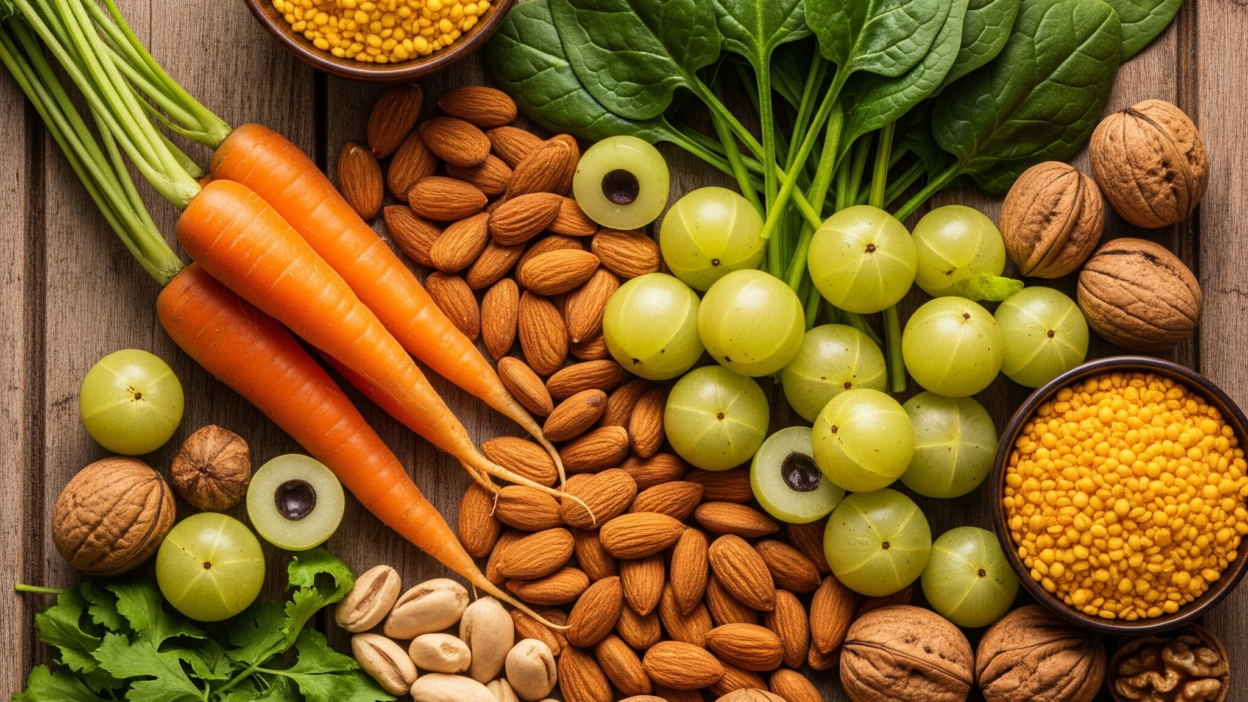
Between grocery runs and soccer practice, you’re already juggling enough without worrying about your child’s eyesight getting worse. But what if I told you that some of the answers might be hiding in your pantry?
The Growing Problem (Keep it Real, Keep it Light)
Here’s the not-so-fun fact: myopia now affects almost one in three individuals across the world, and it’s becoming increasingly common in childhood. But before you panic-google “myopia cure” at 2 AM (we’ve all been there), let’s talk about what science actually tells us about nutrition and those little eyes we love so much.

What the Research Really Says About Food and Myopia
The Good News (Sort Of)
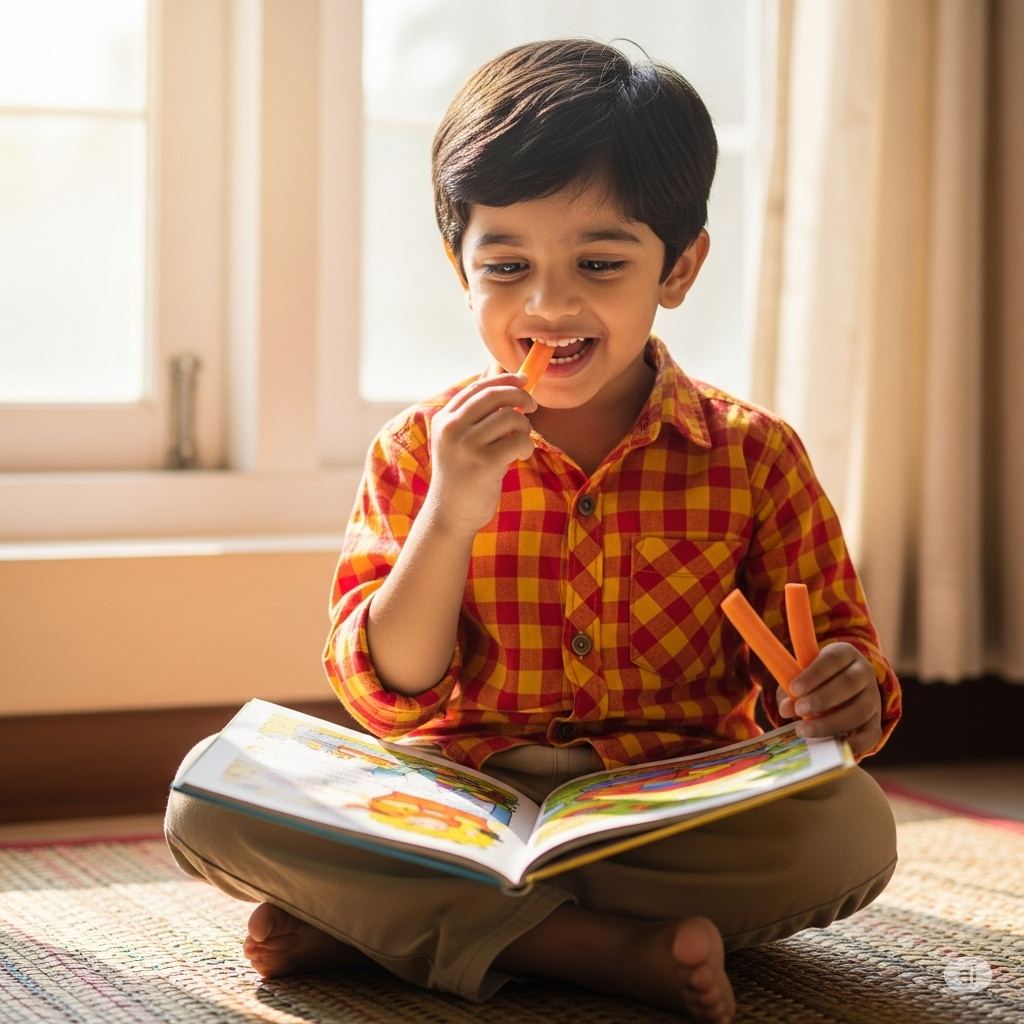
Recent studies have started connecting the dots between what our kids eat and how their eyes develop. While we can’t promise that carrots will give your child superhero vision (sorry, Bugs Bunny), the research is revealing some interesting patterns that might make you feel better about those dinner table negotiations.
The Plot Thickens: It’s Complicated
Research findings on the relationship between dietary factors and myopia are inconclusive, which basically means scientists are still figuring this out. Think of it like trying to solve a 1,000-piece puzzle where some pieces keep changing shape. But that doesn’t mean we should ignore what we’re learning.
The Nutrition Players in Your Child’s Eye Health
The Usual Suspects: Vitamins and Minerals
Vitamin A and Beta-Carotene: The classic vision vitamin still matters, though the relationship is more nuanced than we once thought. Higher serum cis-β-carotene levels were associated with an increased risk of myopia in some studies, which shows us that more isn’t always better when it comes to supplements.
Vitamin D: The sunshine vitamin might be more important than we realized. Think of it as your child’s internal sunshine working alongside actual outdoor time.
Omega-3 Fatty Acids: These healthy fats support overall eye development, much like how they support brain development.
The Bigger Picture: Whole Diet Patterns
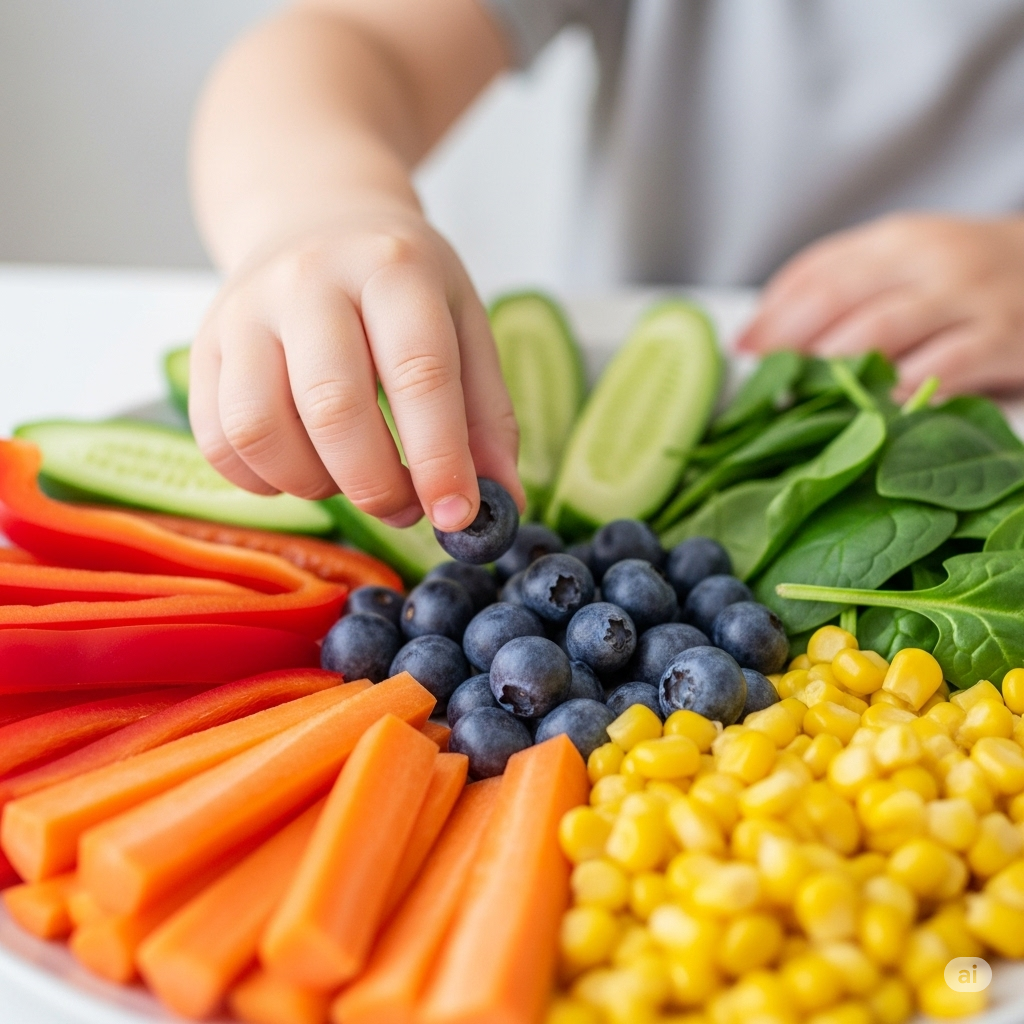
Here’s where it gets interesting. Previous studies have indicated that an unhealthy diet is a risk factor for myopia, but it’s not just about individual nutrients. It’s about the whole eating pattern, kind of like how a symphony needs all the instruments working together, not just one really loud trumpet.
What This Means for Your Family’s Dinner Table
The Realistic Approach
Instead of turning into a nutrition detective with a magnifying glass, focus on what you probably already know makes sense: a balanced diet with plenty of variety. Think of it as giving your child’s eyes the best possible foundation, even if nutrition isn’t a magic bullet.
Foods to Embrace (Without Stress)
- Colorful vegetables and fruits: The more colors, the more different nutrients
- Whole grains: Because refined carbs might play a role in eye development
- Healthy proteins: Fish, lean meats, beans, and nuts
- Healthy fats: Avocados, olive oil, and fatty fish
The Reality Check: What Nutrition Can and Can’t Do
Setting Expectations
Nutrition is like a good supporting actor in a movie. It won’t steal the show, but it plays an important role in the overall story of your child’s eye health. The increasing prevalence of myopia during early childhood has heightened the risk of developing high myopia and related sight-threatening eye conditions in adulthood, which means we need to think about multiple strategies, not just one.
The Other Important Players
Remember that the incidence of myopia dropped in test groups by 11-16% when children spent more time outdoors. This reminds us that nutrition works best as part of a larger lifestyle approach that includes outdoor time, limited screen time, and regular eye checkups.
Practical Tips for Busy Parents
Making It Work in Real Life
- Start small: Add one new colorful food to familiar meals
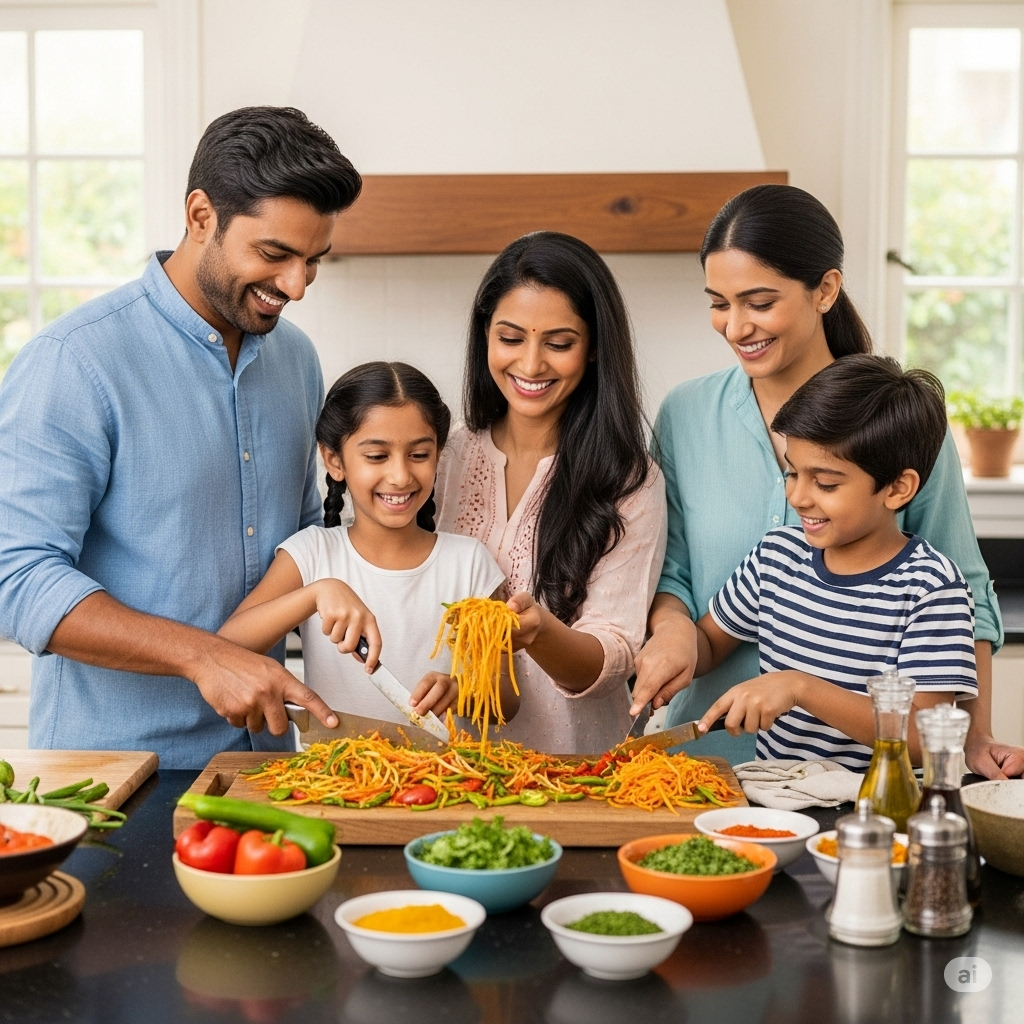
- Make it fun: Let kids pick out new fruits and vegetables at the store
- Don’t stress about perfection: A mostly healthy diet is infinitely better than a perfect diet that causes family stress
- Focus on habits, not rules: Build eating patterns that can last a lifetime
The Bottom Line for Worried Parents
While we can’t promise that the perfect smoothie will prevent myopia, feeding your child a varied, nutritious diet gives their developing eyes the best possible foundation. Think of good nutrition as one important piece of the puzzle, working alongside outdoor time, appropriate screen habits, and regular eye care.
Remember, you’re already doing more than you think. Every healthy meal, every outdoor adventure, every “just five more minutes” of reading time in good light adds up to supporting your child’s overall health, including their precious eyesight.