

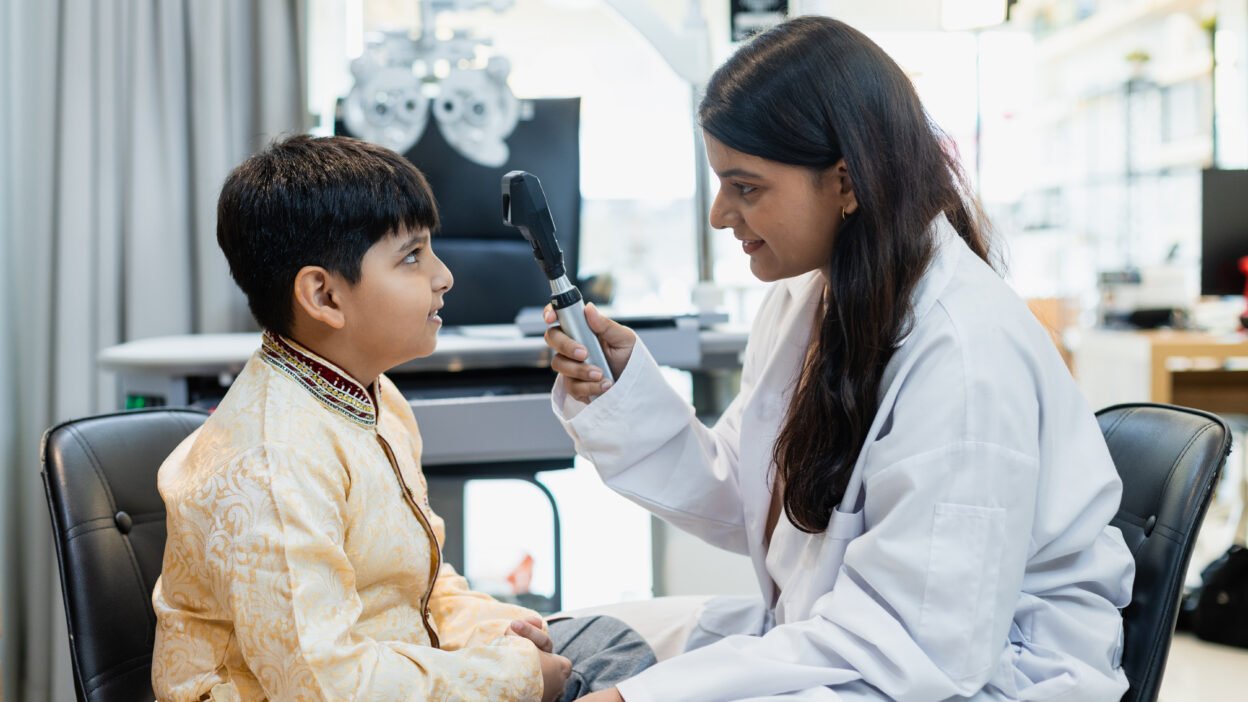
When your child is diagnosed with myopia (nearsightedness), the natural instinct is to focus on finding the right treatment. After all, your goal is clear: preserve their vision for the future. But there’s one crucial step that often goes under the radar—follow-up care. It’s the unsung hero in myopia control that ensures your child’s vision stays sharp as they grow.
While most of us know about the basics of myopia treatment, follow-up care is not always top of mind. It’s not just about the first prescription—it’s about actively nurturing and adapting that care over time to keep things on track. Here’s why follow-up care should be your secret weapon in managing myopia.
5 Eye Opening Reasons Follow Up Care is a Game Changer for Myopia Control
1. Myopia Doesn’t Stop Changing—And Neither Should the Treatment
You may not realize this, but myopia doesn’t remain static—it evolves as your child’s eyes grow. Without consistent monitoring, you can easily miss subtle shifts that could impact treatment effectiveness. Regular check-ups provide a window into how myopia is progressing and allow your eye care provider to make fine-tuned adjustments. It’s like fine-tuning a musical instrument—you want it to stay in perfect harmony with your child’s growing needs.
2. Treatment Can Be Tricky—And You Might Not Be Doing It Right
We all know that myopia control can involve complex treatments like contact lenses or specialized therapies. But what if you’re missing something in how those treatments are being used? Follow-up visits provide an opportunity to address the nuances—things like lens hygiene or adjusting the way lenses are worn. Sometimes, it’s the small details that make a huge difference, and you might not realize those details are slipping through the cracks. This is where follow-ups can shine a light on the subtle adjustments needed for optimal results.
3. Catching Problems Early Means Avoiding Big Headaches Later
Here’s a truth that’s often overlooked: Myopia control therapies come with potential risks—some are rare, but when they do occur, they can have serious consequences. Think infections or even changes in the shape of the eye that could affect treatment. Follow-up care helps catch these issues early, so you don’t end up facing bigger complications. Imagine discovering a tiny crack in a wall before it becomes a massive leak—it’s the kind of foresight follow-up care offers.
4. It’s Not Just About Vision—It’s About Overall Eye Health
Here’s a surprising twist: Follow-up care isn’t only about controlling myopia. It’s also a safeguard for your child’s overall eye health. Your child’s eyes are still developing, and conditions like dry eyes, eye strain, or even the onset of other vision problems can sometimes go unnoticed. Regular visits give your eye care provider the chance to assess and treat other eye health issues that might arise as part of the growing process. A healthy eye today means a healthy eye tomorrow—and follow-ups are key to that ongoing health check.
5. You Could Be Preventing Serious Eye Conditions Without Even Realizing It
Let’s get serious for a moment. If myopia is left unchecked, it could lead to severe conditions like retinal detachment or macular degeneration later in life. You may think, “That’s so far off—my child is young!” But the truth is, the foundation for these issues starts in childhood. By actively managing myopia through follow-up care, you’re not only protecting your child’s vision now, but you’re significantly lowering the chances of those dangerous eye conditions developing in the future.
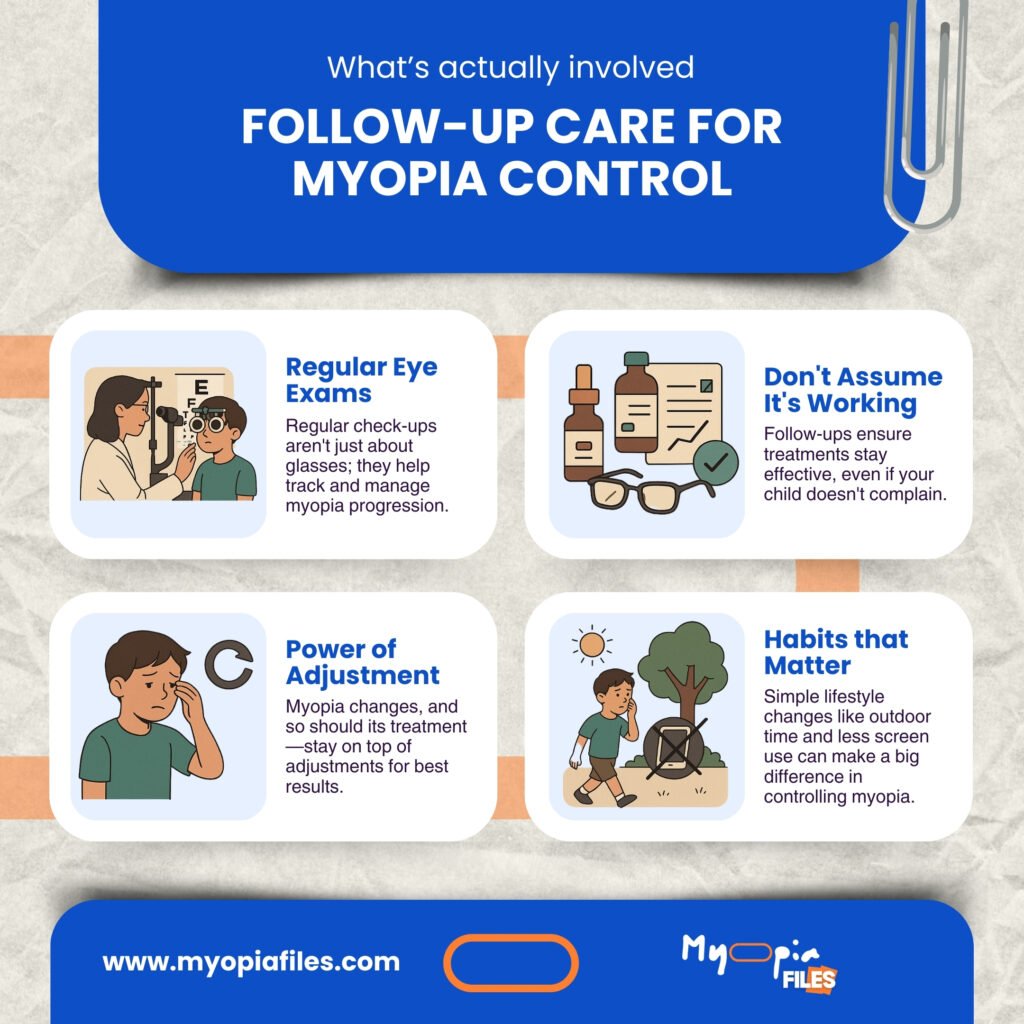
What’s Actually Involved in Follow-Up Care for Myopia Control?
1. Ongoing Eye Exams (More Than Just Prescription Checks)
Most parents think of eye exams as a quick check-up for glasses or lenses. But these exams are much more—especially when it comes to myopia control. Regular eye exams (every 6 to 12 months) help track how myopia is progressing and allow for early detection of any changes that might require an adjustment in treatment. These exams are critical for fine-tuning the approach, making sure it’s always aligned with your child’s changing needs.
2. Provide diverse perspectives
You might be under the impression that if your child isn’t complaining, then the treatment is working perfectly. But the truth is, sometimes issues aren’t visible right away. Is your child’s treatment still as effective as when it started? Follow-up visits help answer this question. Whether it’s updating the type of lenses or adjusting the dosage of drops, follow-ups help make sure that treatment continues to be tailored for optimal results.
3. The Hidden Power of Adjustment
Myopia isn’t static—and neither is treatment. Your child’s eyes change, their treatment needs shift, and without regular check-ins, you might miss the subtle signs that it’s time to make adjustments. Maybe the current treatment no longer works as well as it once did, or a new method would better serve your child. Follow-up care ensures that these adjustments happen at the right time, maximizing effectiveness.
4. Eye Habits Matter More Than You Think
Think that eye health is just about what happens during the check-up? Think again. Follow-up care often involves reinforcing good eye habits—like spending more time outside to slow myopia progression or limiting screen time. These little lifestyle changes, when incorporated into your child’s routine, can have a lasting impact on controlling myopia.
Conclusion: Follow up care is the key to future-proofing your child’s vision
Follow-up care isn’t just another appointment on your calendar. It’s an essential part of the journey toward safeguarding your child’s vision for years to come. By staying proactive, you can catch problems early, adjust treatments as necessary, and help ensure your child’s eyes stay as healthy as possible.
Think of it this way: just like you wouldn’t neglect your car’s maintenance, don’t neglect the maintenance of your child’s vision. Regular follow-up care may feel like a small effort now, but its impact is enormous in ensuring your child enjoys healthy, clear sight for life. So, make that next appointment. It’s a small step today for a big payoff tomorrow.
Yeshwant saoji
The hidden benefits of regular follow up care
- Prevents problems from spiraling by catching issues before they escalate.
- Ensures your child’s treatment is always optimized for the best outcomes.
- Helps reduce the risk of severe myopia-related conditions in the future.
- Promotes healthy lifestyle habits that can complement the treatment.
- Increases treatment adherence, helping your child stay engaged with their vision care plan.
By taking the time for consistent follow-ups, you’re not just managing myopia—you’re investing in your child’s lifelong vision health. Share this knowledge with other parents and help them give their children the gift of clear vision for the years ahead.



Your posts always give me something new to think about. Thank you for sharing your knowledge.
I love hearing that my posts spark new thoughts! Thanks for your kind comment.
I love how you break down complex topics into something easy to understand.