

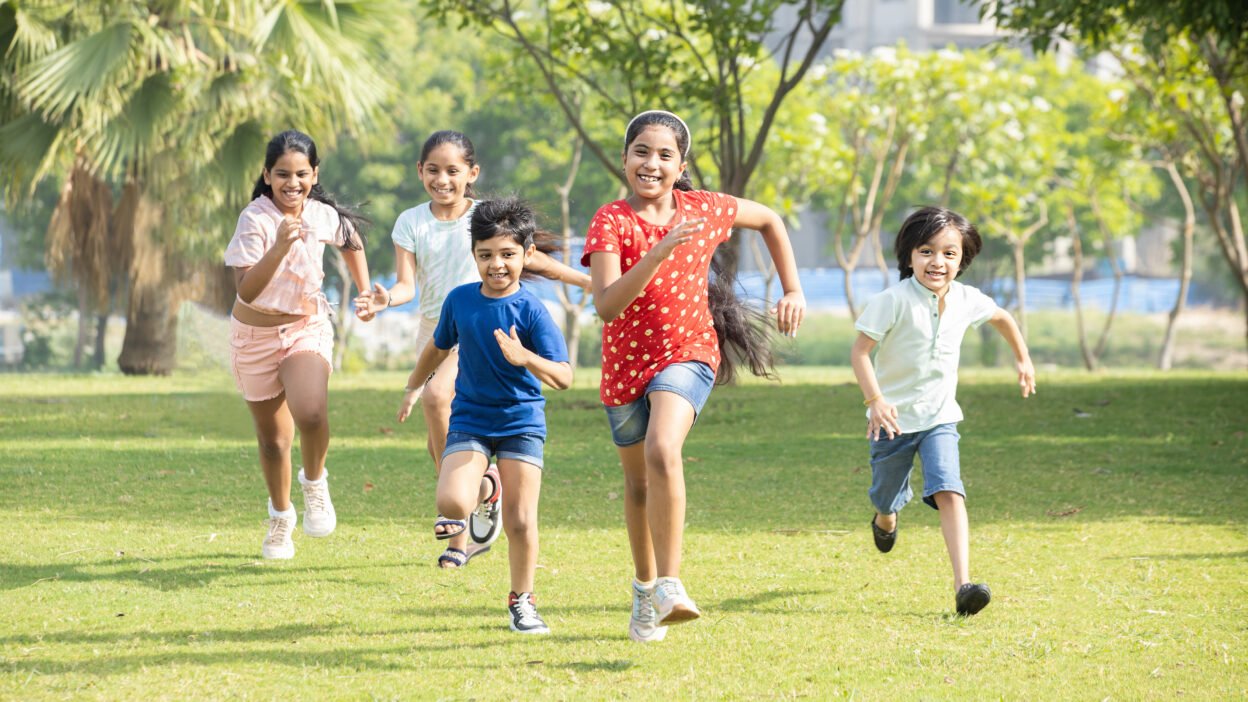
Myopia, or nearsightedness, is becoming increasingly common, especially among children and young adults. As screen time rises and outdoor play decreases, myopia rates are growing at an alarming rate. But did you know that one of the best ways to prevent or slow the progression of myopia is by spending more time outdoors?
In this blog, we’ll explore how outdoor activities can play a key role in myopia prevention, and offer some fun and effective outdoor ideas that can help protect your child’s eyes and maintain their vision health.
The Link Between Outdoor Time and Myopia Prevention
Research has shown that spending more time outdoors can have a significant impact on reducing the risk of developing myopia, particularly in children. Studies suggest that natural light and the opportunity to focus on distant objects while outside may help reduce the elongation of the eyeball, which is the primary cause of myopia.
Children who engage in outdoor activities are less likely to develop high levels of myopia, and those who already have myopia may experience slower progression. The mechanism behind this benefit is believed to be related to the natural light exposure, as well as the fact that outdoor activities often involve looking at objects in the distance, which helps the eyes maintain their shape and focus.
How Outdoor Activities Benefit Eye Health
1. Exposure to Natural Light
Natural sunlight plays a crucial role in eye health. It’s believed that outdoor light exposure helps stimulate the release of dopamine in the retina, which may reduce the risk of myopia progression. Additionally, the wide range of light intensities outside provides a balanced environment for healthy eye development, as opposed to the consistent artificial lighting indoors.
2. Focus on Distant Objects
Outdoor activities naturally require the eyes to focus on faraway objects, which helps maintain eye flexibility and prevents strain. This is a natural counter to the close-up work that dominates modern life, such as reading, using digital devices, and doing homework.
3. Reduction in Eye Strain
Spending time outdoors can provide much-needed relief for the eyes, which are often overworked from prolonged screen time. Eye strain, caused by focusing on near objects for long periods, is a common issue in myopia development. Taking breaks and stepping outside can help reduce this strain and give the eyes a chance to relax.
Top Outdoor Activities to Promote Myopia Prevention
1. Walking or Hiking
Walking or hiking is an excellent outdoor activity that encourages both physical activity and exposure to natural light. It allows children (and adults) to focus on distant scenery, which is essential for eye health. A walk in the park or along a trail provides a simple yet effective way to engage with nature, stretch the legs, and give the eyes a break from screen time.
2. Playing Sports
Sports like soccer, basketball, tennis, and cricket are great ways to combine physical activity with myopia prevention. These activities require players to constantly look at distant targets (e.g., a basketball hoop, a soccer ball across the field) and promote overall health. Plus, sports are fun, engaging, and a fantastic way to develop social skills.
3. Biking
Cycling around the neighborhood or on a trail offers the perfect opportunity for outdoor time, focusing on distant landmarks, and enjoying the fresh air. Biking also provides cardiovascular benefits and promotes leg strength and coordination, making it a well-rounded outdoor activity for kids and adults alike.
4. Gardening
Gardening is a peaceful and rewarding outdoor activity that not only gets kids outdoors but also encourages them to focus on distant plants and flowers. Whether planting flowers, vegetables, or trees, gardening encourages a child to engage with nature in a way that improves both physical and mental well-being.
5. Playing with Pets
If you have a pet, taking them for a walk, playing fetch, or simply spending time outdoors with them can be an enjoyable activity for the whole family. Pets provide a fun reason to get outside, and it’s an excellent opportunity for children to focus on faraway objects and enjoy some fresh air.
6. Exploring Nature
Nature walks and hikes through local parks, beaches, or forests can be both educational and beneficial for eye health. Exploring different environments gives children the opportunity to look at distant natural objects, such as trees, mountains, or bodies of water, which can help reduce the risks of myopia.
7. Running or Jogging
Running or jogging outdoors can help build physical endurance and strength while offering the benefits of sunlight exposure. Whether you’re jogging through the neighborhood or at a local track, running offers an excellent opportunity for eye health benefits while also contributing to overall fitness.
How Much Outdoor Time Is Needed?
Experts recommend that children get at least 1 to 2 hours of outdoor activity every day to help prevent the development of myopia. During this time, it’s essential to focus on distant objects, such as trees, buildings, or playground equipment, to give the eyes a break from focusing on nearby objects.
For younger children, outdoor time can be incorporated into playtime, making it an easy and fun way to encourage good habits. For older children or teens, engaging in outdoor sports or recreational activities is a great way to ensure that they get enough time outdoors while staying active.
Other Myopia Prevention Tips
While outdoor activities play a crucial role in myopia prevention, there are other steps you can take to protect your child’s eyes:
- Encourage the 20-20-20 Rule: Every 20 minutes, have your child look at something 20 feet away for at least 20 seconds to reduce eye strain from close-up tasks.
- Limit Screen Time: Set limits on recreational screen time and encourage breaks during long periods of computer or phone use.
- Get Regular Eye Exams: Schedule regular eye exams to monitor your child’s vision and catch any early signs of myopia.
Conclusion
Spending time outdoors is one of the simplest and most effective ways to prevent or slow the progression of myopia. Encouraging outdoor activities such as walking, playing sports, biking, and exploring nature can benefit both physical health and eye health. By prioritizing outdoor time and incorporating healthy habits, you can help protect your child’s vision and promote their overall well-being.
So, get outside, enjoy the fresh air, and give your eyes the natural boost they need for clear, healthy vision!


This is the kind of content that sets your blog apart. Always on point!
That’s exactly what I strive for. Thanks for your positive feedback!
You’ve changed the way I think about this topic. I appreciate your unique perspective.